
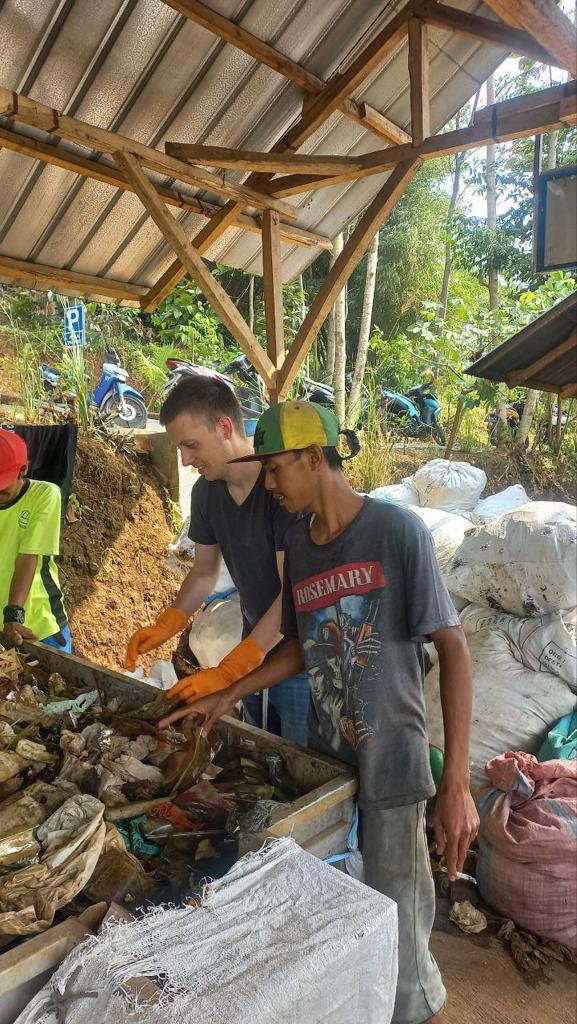
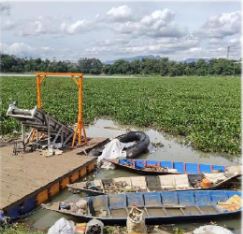
Citarum, the longest West Java river, runs over 300 kilometers from the Wayang Mountain to the Java Sea. There are 30 million people who rely on the water source for agriculture, water supply, fishery, industry, sewerage, electricity, etc. However, since the area’s rapid industrialization in the 1980s, unregulated factory growth has choked the Citarum with both human and industrial waste. The 5 million people who live in the river basin are directly affected. Over 200 textile factories line the river banks and contaminate the river with lead, mercury, arsenic, and other toxins, changing its color and lending the area an acrid odour. Moreover, the river is also polluted and filled with trash such as plastic, styrofoam, and even dead animals.
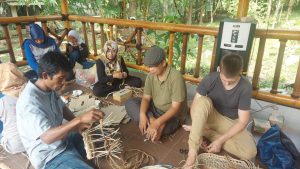
In cooperation with the Bening Saguling Foundation working in the Citarum River Basin and Saguling Basin since 2015, GREAT started the IVS intervention in 2017. We work together in the community development program through education, social, economic, and environmental conservation. By using the trash as their potential product for making “TRASH BANK”, they also take advantage of the water hyacinth weed (pollutant plant) by making handicrafts from that plant. Now, the community has its forest in the river basin where they conserve some variants of bamboo trees and other local trees. Their home base has become a learning center for garbage management and water hyacinth handicrafts.
Bening Saguling Foundation needs support from international volunteers to achieve the aims:
- To support the foundation program in environment conservation, social and education
- To promote the foundation as a learning center for environmental conservation
- To organize a mini library for local people
- To raise awareness about the garbage problem in the Citarum River
- To organize environmental education for children in the Citarum Basin Area.
There are two activities for the volunteers:
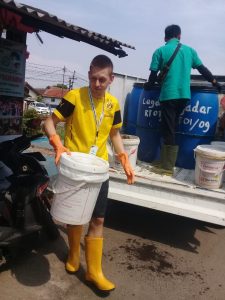
- Physical Work (Picking up garbage from Citarum River and Saguling Basin, doing garbage management, planting trees, making organic fertilizer, gardening, and making handy crafts)
- Non-physical Work (Conducting language class, mentoring green school projects, taking part in culture class, doing school visits, organizing an environment educational workshop or socialization, creating art activities, and promoting mini-library).
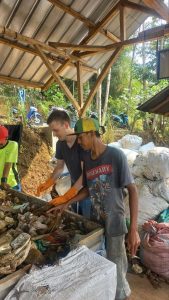
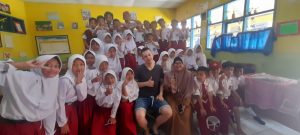
River Conservation
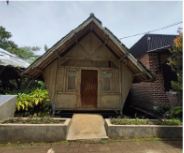
Accommodation
- House of local people.
- A sleeping bag is needed.
- Shared Bathroom with Indonesian-style toilet (squatting toilet) & sitting toilet.
- No shower, use the bucket and dipper.
- Wet toilet, using water instead of toilet paper
Start Date:
- January – December 2025
Duration: all months.
